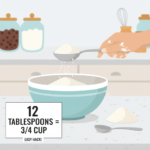
Did you know that a single tablespoon is equivalent to three teaspoons? This might seem like a small detail, but understanding these basic measurement conversions can make a big difference in the kitchen, leading to more consistent and delicious results.
Whether you’re a seasoned chef or just starting your culinary journey, mastering the relationship between ounces and tablespoons is a fundamental skill that simplifies recipe following and empowers you to adjust ingredients with confidence.
The Basics of Volume Measurement
In cooking and baking, volume measurements are used to determine the amount of an ingredient. The most common units you’ll encounter are cups, tablespoons, and teaspoons. Understanding how these relate to each other, and how they convert to weight measurements like ounces, is key.
Tablespoons: A Versatile Measure
A tablespoon is a common unit of volume, often used for smaller quantities of ingredients like spices, oils, or sweeteners. It’s a handy measurement for adding flavor without overwhelming a dish. You’ll find tablespoons are frequently used in both savory and sweet recipes. For instance, when making a marinade or a simple vinaigrette, tablespoons are your go-to. In baking, they are often used for ingredients like vanilla extract or baking powder.
Ounces: More Than Just Weight
While ounces can refer to weight, in many recipes, particularly in the United States, they refer to fluid ounces, which is a measure of volume. This can sometimes cause confusion, as there are different types of ounces. It’s important to pay attention to whether a recipe specifies fluid ounces (volume) or ounces of weight. For liquids, a fluid ounce is a direct volume measurement.
For dry ingredients like flour or sugar, recipes often list weight in ounces for greater precision. Understanding this distinction is crucial for accurate baking, where precise ingredient ratios can significantly impact the final outcome. For more on this, you can explore the measurement systems used in cooking.
The Crucial Conversion: Tablespoons to Ounces
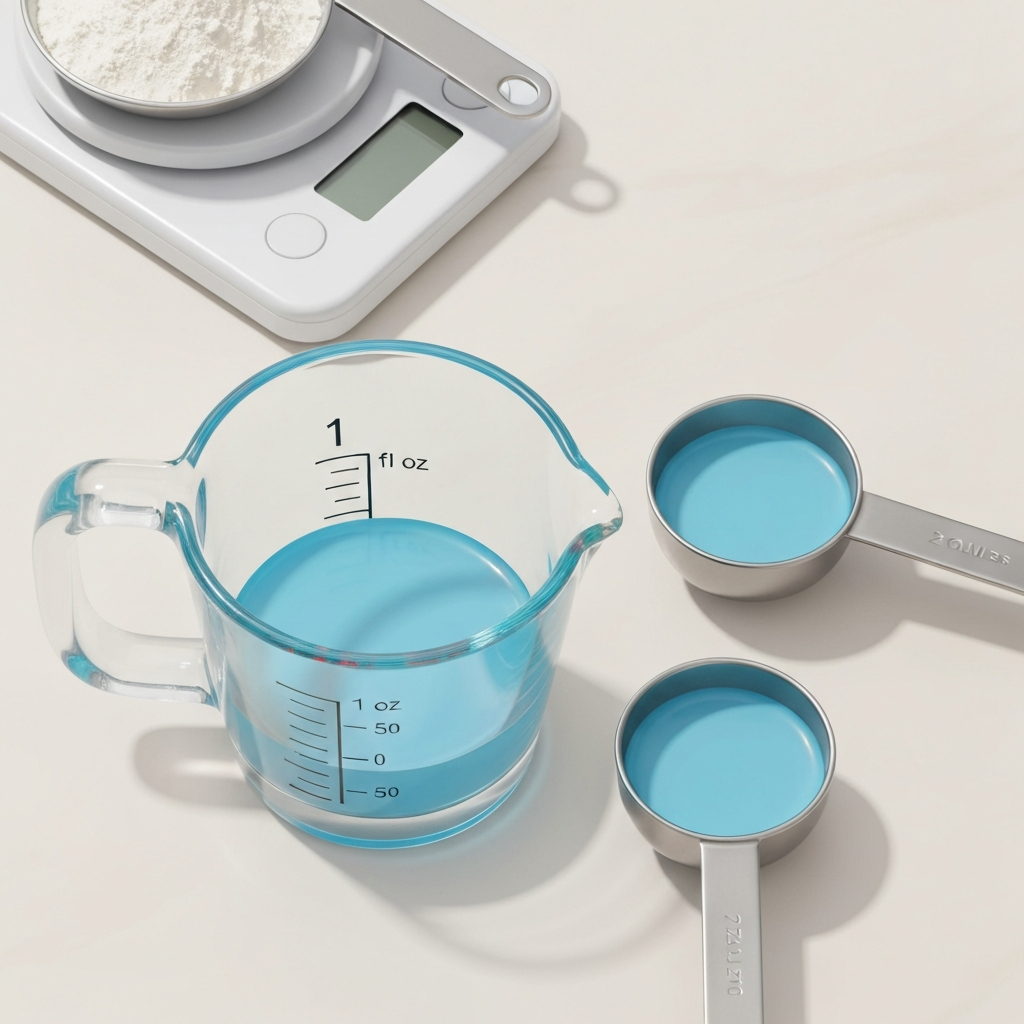
The most common question for home cooks is: how many tablespoons are in an ounce? This is a vital conversion for anyone following recipes that use both units. A standard fluid ounce is equivalent to two tablespoons. This means if a recipe calls for 4 fluid ounces of liquid, you can measure it out as 8 tablespoons.
This conversion is particularly useful when you don’t have a liquid measuring cup handy or when dealing with smaller quantities. Knowing this can help you accurately measure ingredients and achieve the desired consistency in your dishes. If you need a quick reminder, you can always refer to how many tablespoons in an ounce.
Why These Conversions Matter
Accurate measurements are the bedrock of successful cooking and baking. When recipes call for specific amounts, using the correct conversion ensures that the balance of flavors and textures is just right. For example, adding too much of a strong spice measured in tablespoons can overpower a dish, while too little might leave it bland.
Similarly, in baking, the ratio of wet to dry ingredients is critical. If a recipe calls for 2 ounces of oil and you incorrectly convert that to 2 tablespoons, your baked goods might turn out greasy or dense. Precision in measurement, especially when converting between units like tablespoons and ounces, leads to predictable and enjoyable results.
Practical Tips for Success
- Use the right tools: Invest in a good set of measuring spoons and cups. For dry ingredients, use the “spoon and level” method for accuracy. For liquids, use liquid measuring cups that have markings for fluid ounces and milliliters.
- Read the recipe carefully: Always check if the recipe specifies fluid ounces or weight ounces.
- When in doubt, convert: If you’re unsure, use reliable conversion charts or online tools to ensure you’re measuring correctly. Understanding that 1 fluid ounce equals 2 tablespoons is a great starting point for many recipes.
- Practice makes perfect: The more you cook and bake, the more intuitive these measurements will become.
Conclusion
Mastering the relationship between tablespoons and ounces is a simple yet powerful step towards becoming a more confident and capable cook. By understanding these fundamental conversions, you can follow recipes with greater accuracy, adapt them to your preferences, and ultimately create more delicious food. So next time you’re in the kitchen, remember that a little knowledge about measurements can go a long way.