
When a recipe calls for 180°C, it means the oven should be set to a moderately hot temperature suitable for baking and roasting. 180°C is equivalent to 350°F, which is a common setting on many ovens and is considered medium heat. This temperature allows food to cook evenly without burning the outside too quickly.
Many ovens don’t display 356°F, the exact conversion, so 350°F is used instead in practice. Knowing this simple conversion helps anyone follow recipes more accurately whether they are using Celsius or Fahrenheit settings. Understanding this can make cooking and baking easier and more reliable.
Understanding 180°C in the Oven
180°C is a common oven temperature that many recipes call for. It fits into different temperature scales and oven settings. It is a moderate heat level used in various cooking tasks, especially baking. Knowing the exact equivalent in Fahrenheit, gas mark, and the importance of calibration helps achieve reliable cooking results.
Temperature Conversion to Fahrenheit
180°C converts to 356°F. This conversion matters for cooks using ovens that display temperatures in Fahrenheit, mostly in the United States.
To convert Celsius to Fahrenheit, the formula is:
F = (C × 9/5) + 32
Applying this: (180 × 9/5) + 32 = 356°F.
This temperature is considered moderate, making it ideal for baking most cakes, pastries, and roasting vegetables. It is not too hot to burn food quickly, nor too low to cause undercooking. Recipes written in Fahrenheit often suggest around 350°F, which is close to 180°C.
Gas Mark Equivalent
Gas mark is a common oven temperature scale in the UK. 180°C is equivalent to Gas Mark 4.
Gas marks run from about 1 (low heat) to 9 (high heat). Gas Mark 4 is seen as a medium heat setting. It works well for slow cooking and baking. For example, it is suitable for baking cakes, biscuits, or roasting meats.
Using the correct gas mark helps cooks follow written recipes accurately, especially older or traditional recipes that use this scale instead of Celsius or Fahrenheit.
Common Culinary Uses
180°C suits a wide range of cooking and baking tasks. Cakes and cupcakes usually bake at this temperature because it cooks the batter evenly.
It is also used for roasting chicken or vegetables, providing enough heat to brown food without drying it out. Baked goods like cookies and pastries benefit from this moderate heat as it allows good texture and colour.
Many recipes suggest this temperature for baking, making it a default setting in cookbooks and cooking websites worldwide.
Importance of Oven Calibration
Oven temperature can vary widely between different models and brands. Even if set to 180°C, an oven might run hotter or cooler than expected. Calibration ensures the oven temperature matches the dial or display setting.
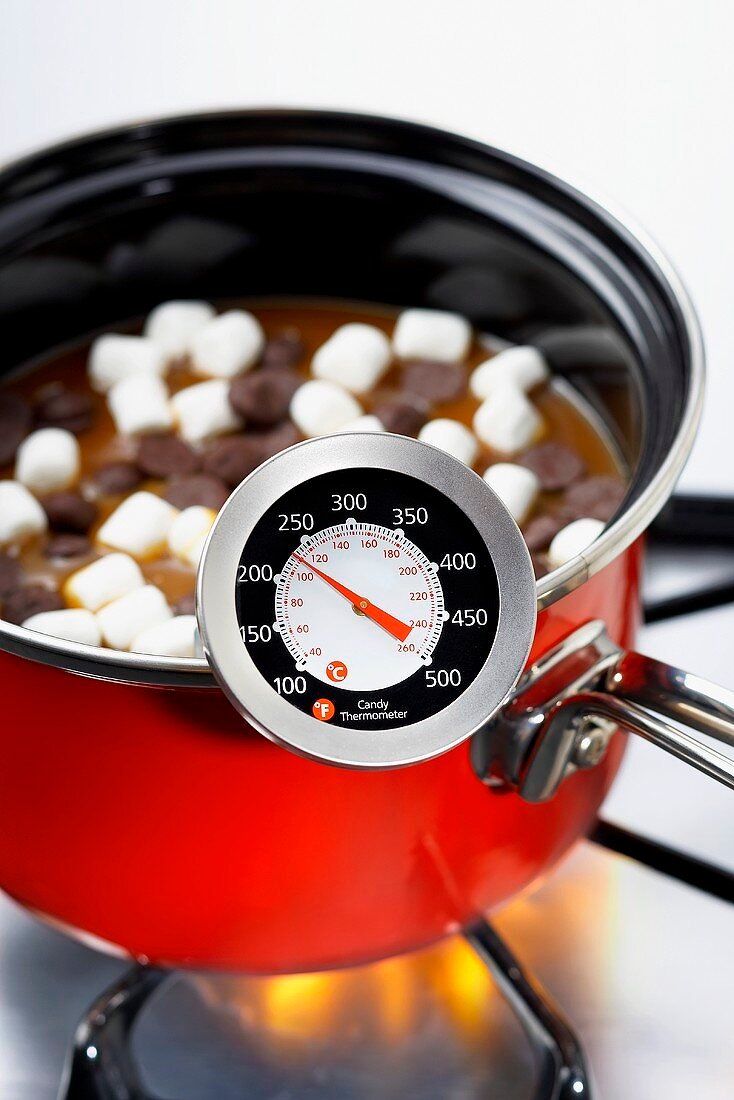
Home cooks can test their oven with an oven thermometer. If the temperature is off by 10–20 degrees, adjustments are necessary to get the best cooking results.
A well-calibrated oven prevents undercooked or burnt food and leads to more consistent baking outcomes. It is especially important at 180°C because many recipes rely on this precise moderate heat.
Related: 180 C to F
Tips for Baking and Roasting at 180°C
Cooking at 180°C requires attention to time and heat distribution to get the best results. Adjusting how long food stays in the oven affects texture and doneness. Even heat spread ensures food cooks uniformly without burning or undercooking.
Adjusting Cooking Times
Cooking times at 180°C vary depending on the food type and size. For example, small items like cookies usually take about 10 to 15 minutes, while larger roasts or casseroles can need 30 minutes or more. It’s important to check food early to avoid overcooking.
If a recipe was made for a fan oven, it may take less time at 180°C because fan ovens cook faster. Without a fan, food can require 5-10 minutes longer. Using a timer and testing doneness early will help adjust the timing precisely.
Ensuring Even Cooking
Ovens often have hot spots that cause uneven cooking. Using a baking tray or roasting pan that fits the oven well can help heat spread evenly. It’s best to place food in the centre of the oven, away from walls.
Rotating dishes halfway through cooking also improves heat distribution. If baking multiple trays, swapping their positions can prevent undercooking on one shelf and overcooking on another. Avoid opening the oven door too often to keep the temperature stable.